Skip to the main content.

Aseptic Processing

Knowledge Space

What is aseptic processing?

Aseptic processing is the manufacturing method used to produce sterile pharmaceutical products in a tightly controlled environment. It is designed to prevent microbial and particulate contamination at every stage of production.

This process is essential for products that cannot be terminally sterilised after filling, including many biologics, vaccines, ATMPs, injectables and other temperature-sensitive or complex formulations. Instead of sterilising the finished product, each component is sterilised separately and then assembled, filled and sealed under aseptic conditions. Because these products are administered directly to patients, contamination control is critical to patient safety. As therapies become more complex and personalised, aseptic manufacturing has become one of the most critical and highly regulated processes in pharmaceutical production. 

Aseptic manufacturing process:
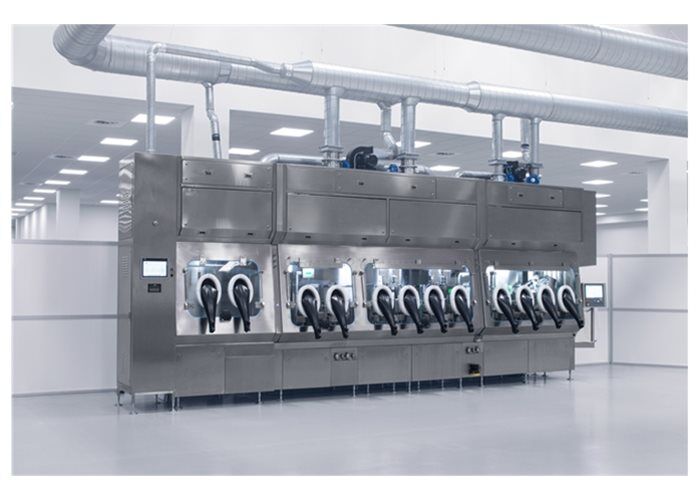
Although every manufacturing process is unique, aseptic processing typically follows four core stages: sterilisation, aseptic fill-finish, container closure, and inspection. We specialise in aseptic fill-finish and container closure, where the sterile product is accurately filled into its final container and immediately sealed under tightly controlled conditions.


1. Sterilisation

Drug products, equipment and primary packaging components are sterilised before manufacture. 


2. Aseptic Fill-Finish

Sterile products are accurately filled into their final containers within a Grade A environment.


3. Container Closure

Containers are immediately sealed to maintain sterility. This can be achieved with push caps and crimp caps.


4. Inspection

Products undergo inspection, quality testing and batch review before release. 

   Topics

210_1_700x500

Aseptic Manufacturing: Automation

Image 1

Process Development & Scale-Up 

3P-3276

Aseptic Manufacturing: Powder Filling