Is there a one-size-fits-all approach to qualification and validation?
Not every machine needs to be qualified in exactly the same way.
3 min read

Around 1,000 people are diagnosed with cancer every day in the UK. Fortunately, outcomes continue to improve, with around half of those diagnosed now expected to survive for 10 years or more, reflecting significant advances in early detection and treatment. Cancer therapy encompasses a broad spectrum of interventions, from surgery and radiotherapy to chemotherapy, immunotherapy and increasingly personalised cell therapies (known in Europe as Advanced Therapy Medicinal Products - ATMP's). Yet while the science behind these therapies is widely discussed, far less attention is given to the manufacturing processes that ultimately determine whether they reach patients safely.
Unlike conventional pharmaceuticals, which are manufactured in large batches from standardised raw materials and distributed to many patients, autologous cell therapies are created from the individual they are intended to treat.
Long before a cancer therapy reaches the clinic, it undergoes a tightly choreographed process that begins within the patient's own cells. Cells are collected from the patient, transported to a specialist manufacturing facility, engineered, expanded, formulated, aseptically filled and cryopreserved before making the return journey as a life-changing therapy. In this sense, the patient is not simply the recipient of treatment; they are the starting material from which it is made.

Every stage must preserve the biological function and identity of living cells while maintaining absolute quality control. Every cell is metabolically active. Throughout manufacturing, millions of living cells continue consuming nutrients, responding to temperature, mechanical stress and changes in their environment. Patients place enormous trust in this manufacturing ecosystem, relying on every step of the process to protect their cells until they are safely returned as a therapeutic product. An error literally can be a matter of life and death.
Freezing cells isn't simply a matter of making them cold. Water expands as it freezes, forming ice crystals capable of puncturing delicate cell membranes. Cryoprotectants reduce this damage, but they introduce another challenge: they become increasingly toxic the longer cells remain exposed before freezing.
The rise of personalised medicine is fundamentally changing how pharmaceutical manufacturing is defined. Historically, manufacturing excellence has been measured by scale: producing millions of identical doses with exceptional consistency. Cell and gene therapies demand a different philosophy. In this context, success is no longer just measured by the volume of product manufactured, but by the ability to preserve something biologically unique. Unlike traditional medicines, there's no replacement stock if something goes wrong. Every batch represents a single patient and, in many cases, their only opportunity for treatment. The consequences of contamination or product loss extend far beyond manufacturing efficiency, directly influencing whether a patient receives their therapy at all.
Traditional pharmaceutical manufacturing seeks to produce millions of identical doses. Cell therapy manufacturing seeks to produce one perfect dose, every single time.
Every decision throughout the manufacturing process has a direct consequence on the patient's treatment opportunity. This shift places increasing emphasis on reducing unnecessary manual intervention throughout the workflow. Automation is not simply a means of improving efficiency; it is a strategy for reducing process variability, strengthening contamination control and delivering confidence that every final dose meets its intended specification.
One manufacturing stage which has become particularly important is the cryovial filling stage.
Cryovial filling is the process of dispensing a formulated cell suspension into its final containers before controlled-rate freezing and cryogenic storage and transportation. Although it represents one of the final manufacturing steps, it is also among the most critical. Cryopreservant which is added to ensure cells survive the freezing process also kills cells over a relatively short amount of time prior to freezing. Hence, there is a small and critical time window between adding the cryopreservant and freezing the cells. The cells are therefore highly sensitive not only to temperature but also to handling time. Prolonged exposure or inconsistent processing can compromise post-thaw viability, directly influencing the quality and therapeutic performance of the final product.
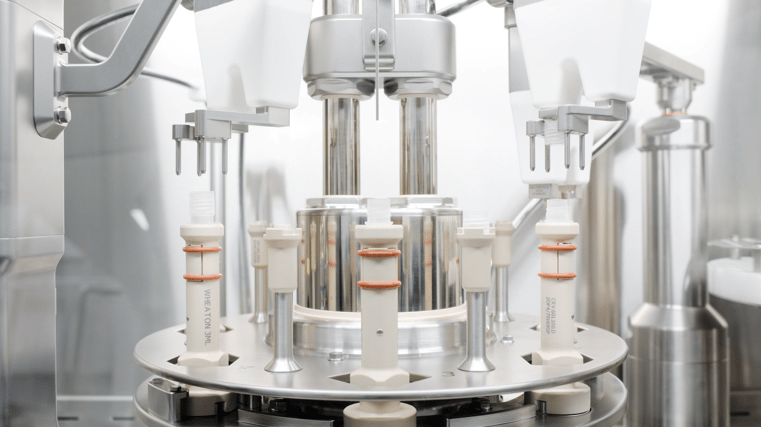 Historically, cryovial filling has remained largely manual. Pipette-based filling within a biosafety cabinet can be suitable during early-stage development, but the process is inherently operator dependent. Differences in technique can influence fill accuracy, handling time and process consistency, while the open nature of manual operations introduces additional opportunities for contamination. As therapies progress towards larger clinical studies and commercial manufacture, these sources of variability become increasingly difficult to control through procedural discipline alone.
Automation provides a more robust approach. Automated cryovial filling systems reduce operator intervention while standardising one of the most critical control points in the manufacturing workflow. By combining precision dispensing with in-process verification, they deliver consistent fill volumes while limiting environmental exposure. Automated handling also reduces unnecessary dwell time, helping to preserve cell integrity before cryopreservation.
The value of automation therefore extends beyond precision alone. Its greatest contribution lies in reproducibility.
As personalised therapies continue to expand, manufacturers require processes capable of accommodating biological variability without introducing avoidable technical variability. Automated systems that support multiple vial formats, integrate with controlled-rate freezers and maintain closed or semi-closed processing environments contribute to a more robust, scalable manufacturing platform. In this context, automation is not about accelerating production; it is about improving confidence that every patient receives a therapy manufactured to the same exacting standard.
The central challenge in cell and gene therapy is that the product is both scientifically sophisticated and biologically fragile. It may be designed to treat cancer, but before it can do so, it must first survive the practical realities of manufacture, filling, cryopreservation, storage and transport.
Ultimately, the success of a cell therapy depends not only on advances in biology but on the engineering that protects living cells throughout their journey. The science may begin with the patient, but it is the precision of the manufacturing process that enables those cells to return as a safe and life-changing treatment.
Read our integrated equipment workflow for consistent post-thaw viability and function recovery: 3P and SmartFreez
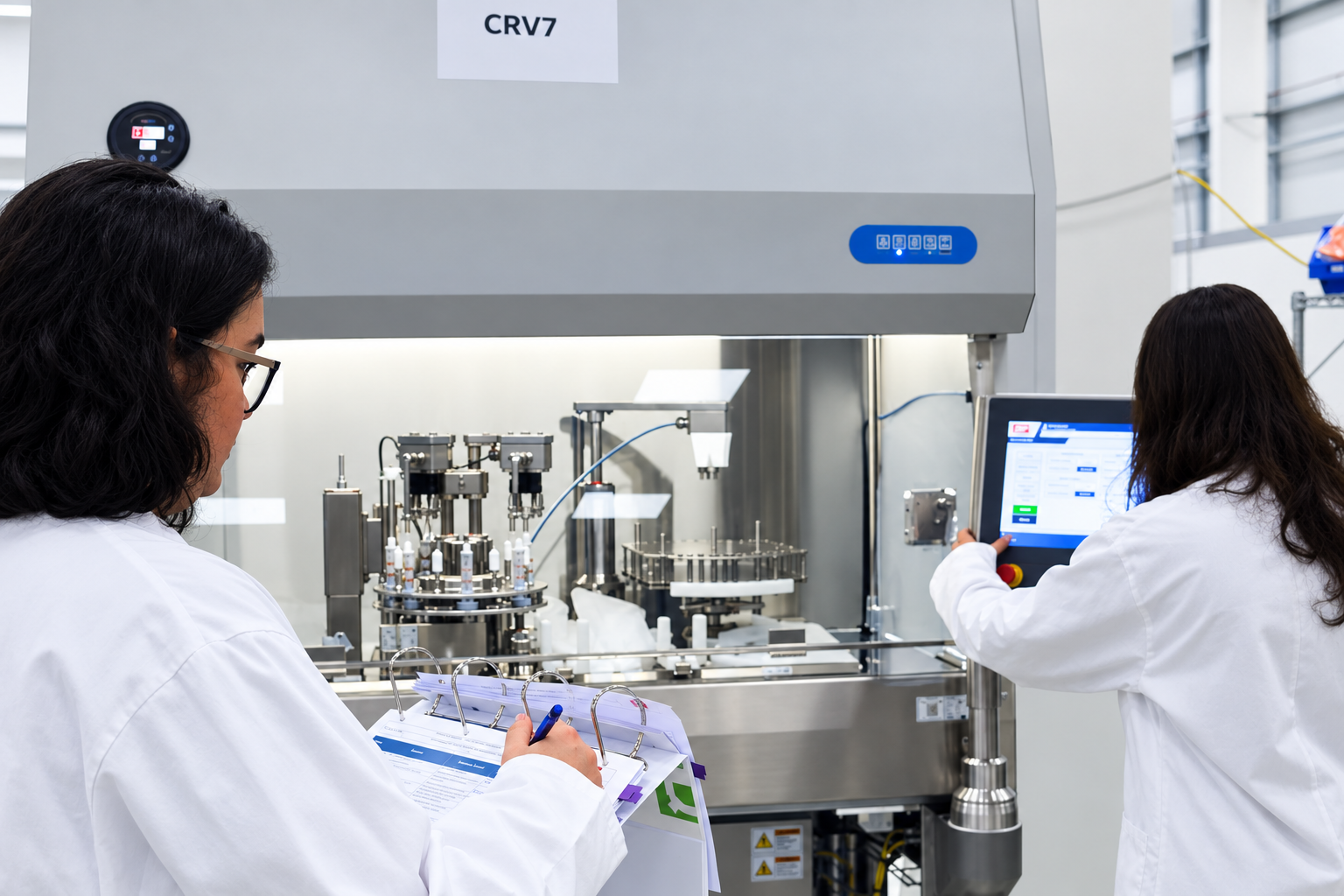
Not every machine needs to be qualified in exactly the same way.
Around 1,000 people are diagnosed with cancer every day in the UK. Fortunately, outcomes continue to improve, with around half of those diagnosed...
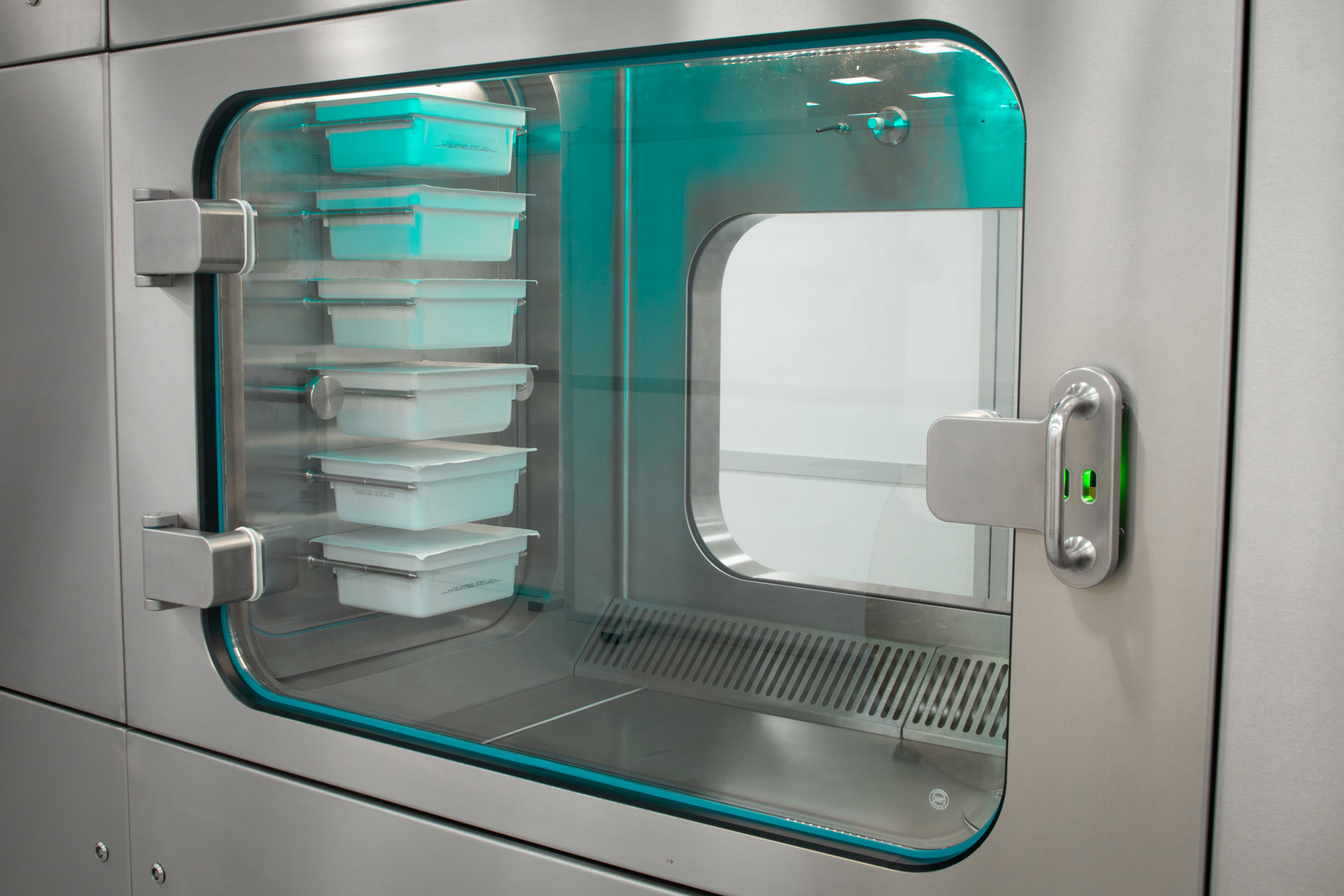
In this latest blog, James Lau, one of 3P’s Project Engineers, tells us all about barrier systems across a range of areas. Specifically taking a...
