Skip to the main content.

4 min read

The challenges of developing combination products: Regulatory complexity and the case for a holistic development strategy

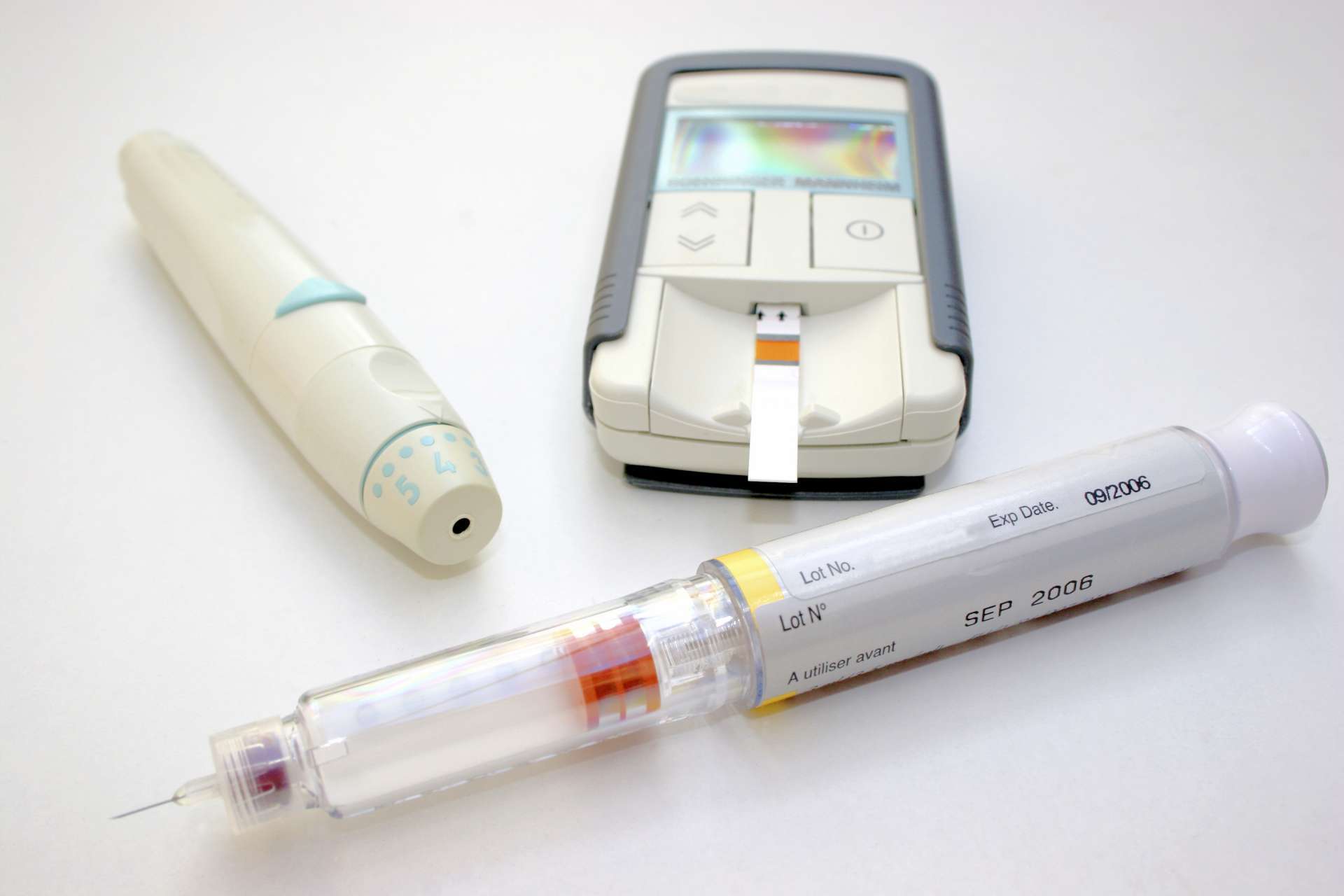
Drug–device combination products are becoming a defining feature of modern pharmaceutical portfolios, shaping how therapies differentiate, extend lifecycle value, and reach patients. Products such as prefilled syringes, autoinjectors, inhalers, transdermal systems and drug-eluting devices are now routine in development pipelines, often improving therapeutic performance and patient experience. Yet their growing importance has outpaced industry appreciation of the development complexity they introduce. While combination products offer significant clinical and commercial advantages, they also present unusual and frequently underestimated challenges. This article explores these challenges, with particular emphasis on the need for a holistic development approach, including early planning for custom commercial equipment, proof-of-principle (PoP) test rigs and representative clinical supply to de-risk timelines, costs and regulatory outcomes.

Why is an automation company interested in combination products?

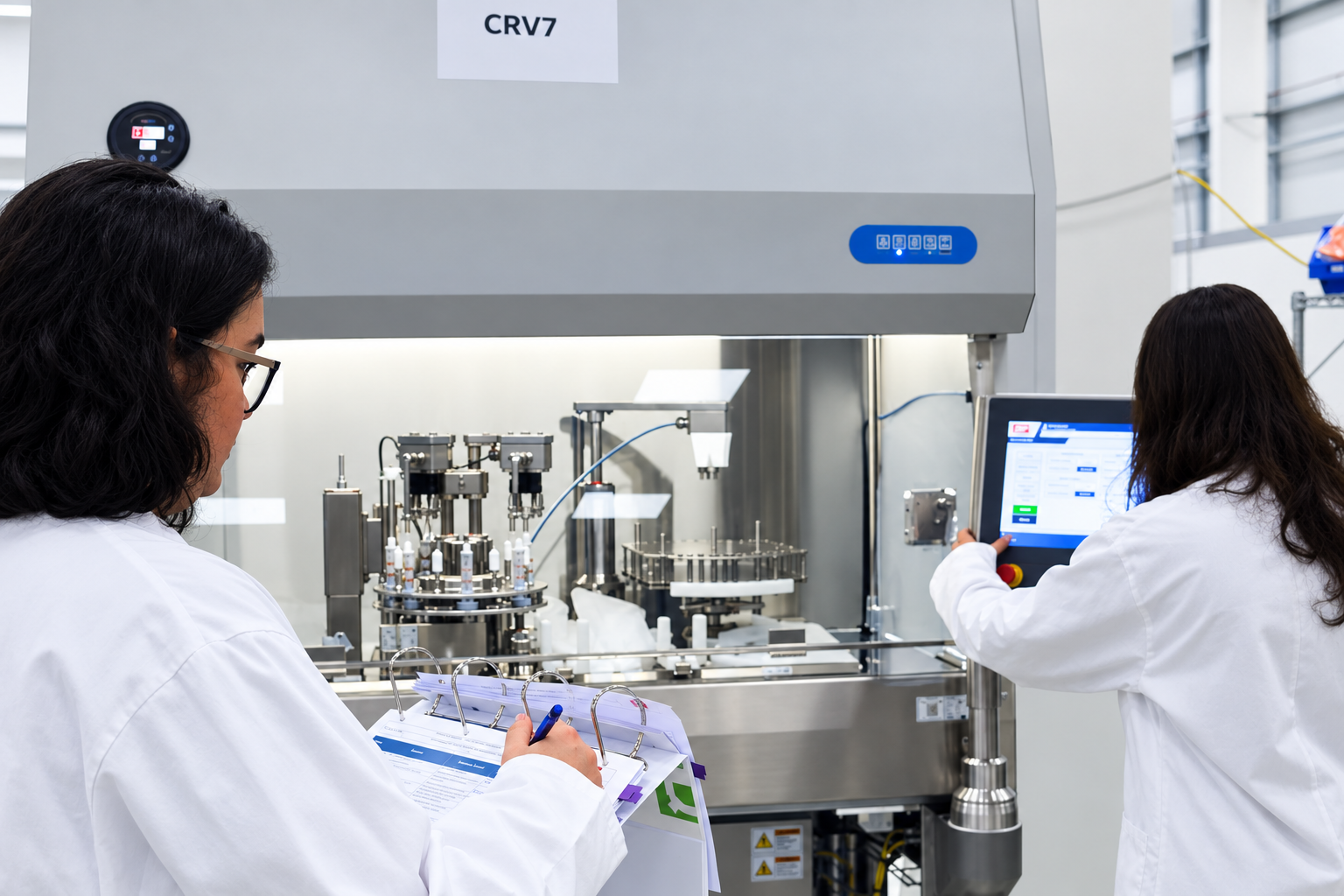
At heart, we’re a custom automation business focused on life sciences. Most pharmaceutical products are made using standard, off-the-shelf equipment available from multiple suppliers; tablet presses are a good example, with hundreds of manufacturers worldwide. In those cases, there’s little reason for a global pharma company to design something new (and deploy the services of a company such as 3P innovation). Combination products are different. Their inherent complexity often means the production equipment simply doesn’t exist. That’s where we step in. With deep experience in assembling and filling combination products, typically powders and liquids, often under aseptic conditions, we help turn novel concepts into real-life products. What’s fascinating is how consistent the challenges are across platforms, whether it’s inhalers, injector pens, patch pumps or ocular devices.

Regulatory complexity for combination products

One of the first challenges in combination product development is regulatory classification. Both the EU and US require sponsors to identify the “primary mode of action” (PMOA), but they apply this concept differently and embed it in distinct regulatory frameworks.

In the US, combination products are governed under 21 CFR Part 3 and overseen by the FDA’s Office of Combination Products (OCP). The OCP assigns the lead FDA Centre - CDER, CBER, or CDRH - based on the PMOA.

In contrast, the EU does not have a single combination-product authority. Instead, products are regulated primarily under either pharmaceutical legislation (Directive 2001/83/EC) or the Medical Devices Regulation (EU) 2017/745 (MDR), depending on the role of the medicinal substance. Drug–device combinations are typically categorised as either:

  • Integral combination products, where the drug and device form a single integrated product; or
  • Co-packaged products, where a drug and device are supplied together but regulated separately.

This decentralised approach often leads to greater uncertainty, increased reliance on Notified Bodies, and more complex regulatory strategies.

The need for a holistic development approach

A recurring root cause of delays, unexpected cost and rework in combination product programmes, is siloed development. Drug formulation, device engineering, analytical development, regulatory strategy, and manufacturing are often managed as parallel but insufficiently integrated workstreams.

A holistic approach requires early cross-functional alignment on:

  • Product requirements and critical quality attributes (CQAs),
  • Device–drug interaction risks (e.g. extractables/leachables, silicone oil, adsorption),
  • Human factors and use scenarios,
  • Regulatory strategy across jurisdictions.

Early integration enables informed trade-offs and reduces late-stage surprises.

Traditional project management techniques developed for “complicated” projects aren’t fit for purpose for these “complex” projects. Successful companies understand the difference. In project management, complicated means many parts, but predictable (like building a car). Complicated projects are solvable with expertise and detailed plans (they have linear paths). Such projects respond well to work breakdown structures and Gantt charts based upon historical experience.  Combination product developments are inherently complex in nature. This means unpredictable interactions, the emergence of the unexpected and dynamic relationships. This in turn, requires flexible, adaptive management for these emergent issues, not just executing a fixed plan. The key difference is predictability: complicated problems are linear and solvable, whereas complex problems involve emergent, non-linear outcomes from interactions between people, systems, and environments, demanding different management approaches. It is well recognised within project management texts that using a "complicated" mindset (rigid planning) on a "complex" problem (like managing human behaviour) leads to failure. Hence the structure and nature of the delivery team for combination projects is key. The author has seen first-hand that generic companies used to say delivering solid oral dose generics can be “blindsided” by the difference in nature of developing a combination product.

The pitfalls of late equipment strategy

Combination products frequently require custom or semi-custom commercial manufacturing equipment, particularly for fill–finish, assembly, and inspection. Deferring equipment strategy until late clinical or registration stages is a common and costly mistake. Financial constraints for pre-revenue developments also mean that budgets for commercial equipment cannot be authorised (or money raised) before clinical data is available. There is a catch-22 in that clinical data and stability samples need to be generated using representative products made on representative equipment.

Hence delaying equipment decisions can lead to delays and additional costs as a result of:

  • Bridging studies,
  • Requalification of processes,
  • Additional stability studies,
  • Regulatory variations or supplements.

Benefits of Early Equipment Planning

Engaging with equipment vendors early allows sponsors to:

  • Design equipment that reflects the intended commercial process,
  • Ensure scalability from clinical to commercial supply,
  • Align process parameters with regulatory expectations,
  • Avoid retrofitting or redesign late in development.

While early investment may appear higher, it typically results in significant net savings by reducing rework, delays, and regulatory risk.

Why PoP test rigs matter

Proof-of-principle test rigs are invaluable tools in combination product development. These rigs, often simplified or modular versions of future commercial equipment, enable early evaluation of:

  • Device functionality with the actual drug product,
  • Process robustness and variability,
  • Failure modes and sensitivities.

Critically, PoP rigs allow teams to generate data that informs both device design and pharmaceutical formulation choices before design freeze. These typically start as engineering models to develop process understanding. Later more sophisticated GMP versions can be built to make representative products for clinical studies and stability studies. Such rigs add significant value, since the data generated from PoP rigs can support:

  • Design inputs and risk analyses,
  • Justification of design decisions,
  • Early engagement with regulators,
  • Selection of critical process parameters.

This proactive approach significantly reduces technical and regulatory uncertainty. Embedded in 3P innovation’s “DNA” is a scalable methodology that aligns cost with project stage. Drawing on hard-won experience, 3P’s engineers can rapidly deliver low-scale, cost-efficient systems that remain representative of the intended commercial platform.

Representative clinical supply and stability strategy

Another common pitfall is the use of clinical supply that is not representative of the intended commercial product, particularly with respect to:

  • Container closure systems,
  • Device components,
  • Manufacturing processes.

Using non-representative material for stability studies can lead to invalid or unusable data, necessitating costly repeat studies and delaying registration.

Aligning clinical supply with commercial intent

Best practice is to ensure that clinical supply used for pivotal trials and stability studies is as close as possible to the final commercial configuration. This includes:

  • Representative device materials and coatings,
  • Commercially relevant fill–finish processes,
  • Use of PoP or pilot-scale equipment that mimics commercial conditions.

While this approach requires earlier commitment, it provides a robust stability and compatibility dataset that regulators expect for combination products.

Conclusive thoughts

Developing combination products is inherently complex, with regulatory hurdles representing one of the most significant challenges. Differences between EU and US regulatory regimes further complicate global development strategies. However, many of the risks associated with combination products are manageable through a holistic, integrated approach to development.

Early cross-functional alignment, proactive regulatory planning, early engagement on custom commercial equipment, investment in proof-of-principle test rigs, and the use of representative clinical supply for stability studies are all critical success factors. Those who adopt these practices not only reduce regulatory and technical risk, but also save time and money over the life of the program.

In an environment of increasing regulatory scrutiny and constrained development timelines, a holistic strategy is no longer optional; it is essential for successful combination product development.

The challenges of developing combination products: Regulatory complexity and the case for a holistic development strategy

The challenges of developing combination products: Regulatory complexity and the case for a holistic development strategy

Drug–device combination products are becoming a defining feature of modern pharmaceutical portfolios, shaping how therapies differentiate, extend...

Read More
Putting Annex 1 into Practice: What Small-Batch Manufacturers Need to Know

Putting Annex 1 into Practice: What Small-Batch Manufacturers Need to Know

In this webinar recap, David Johnson, Sales & Marketing Director at 3P innovation, and Tracy Moore, Principal Consultant at TM Pharma and former...

Read More
The Future of Aseptic Manufacturing: Compact and Advanced Solutions

The Future of Aseptic Manufacturing: Compact and Advanced Solutions

As the pharmaceutical industry advances into more complex modalities, from biologics to cell and gene therapies, the need for flexible,...

Read More