Skip to the main content.

2 min read

The Basics of Cell Culture: Key Steps in Manufacturing Cell Therapies

Introduction

Cell therapies represent a promising frontier in medicine, offering potential treatments and cures for a wide range of diseases. However, before these therapies can reach patients, they must undergo a complex manufacturing process. Central to this process is cell culture, a crucial step in producing the therapeutic cells needed for treatment. In this blog, we'll delve into the fundamentals of cell culture, outlining the key steps involved in manufacturing cell therapies.

What is Cell Culture?

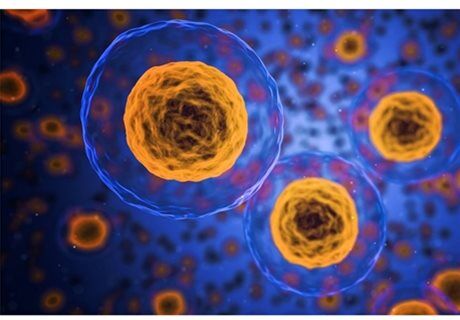
Cell culture is the process of growing and multiplying cells in a controlled environment outside the human body. In the context of cell therapies, this technique is used to produce the specific types of cells needed for treatment, such as stem cells or immune cells.

Key Steps in Cell Culture for Cell Therapies

1. Isolation of Cells: The first step in cell culture is to isolate the target cells from the patient's or a donor's tissue. This process involves carefully extracting the cells of interest while maintaining their viability and functionality.

2. Expansion: Once isolated, the cells are placed in a culture vessel, such as a bioreactor or a petri dish, and provided with a suitable growth medium. This medium contains essential nutrients, growth factors, and hormones necessary for the cells to proliferate. Over time, the cell population increases, creating a larger supply for therapeutic use.

3. Characterization: Quality control is a critical aspect of cell culture. Cells must be regularly assessed to ensure that they maintain their identity and functionality. Various tests, including genetic, phenotypic, and functional assessments, are performed to confirm that the cultured cells meet the required specifications for therapeutic use.

4. Differentiation: In some cases, the cultured cells need to be differentiated into specialized cell types to fulfil their therapeutic function. This step involves manipulating the culture conditions to induce the desired cell fate and functionality.

5. Harvesting: When the cultured cells have reached the desired quantity and quality, they are harvested from the culture vessel. This process must be performed carefully to avoid damage to the cells. 3P innovation have developed novel pump technologies to reduce the chance of cell damage via pumping cells from vessel to bag or vial.

6. Quality Assurance: Before cell therapies are administered to patients, extensive quality assurance and safety testing are conducted. This includes screening for contaminants, verifying cell identity, assessing potency, and ensuring that the cells are free from harmful genetic mutations or abnormalities.

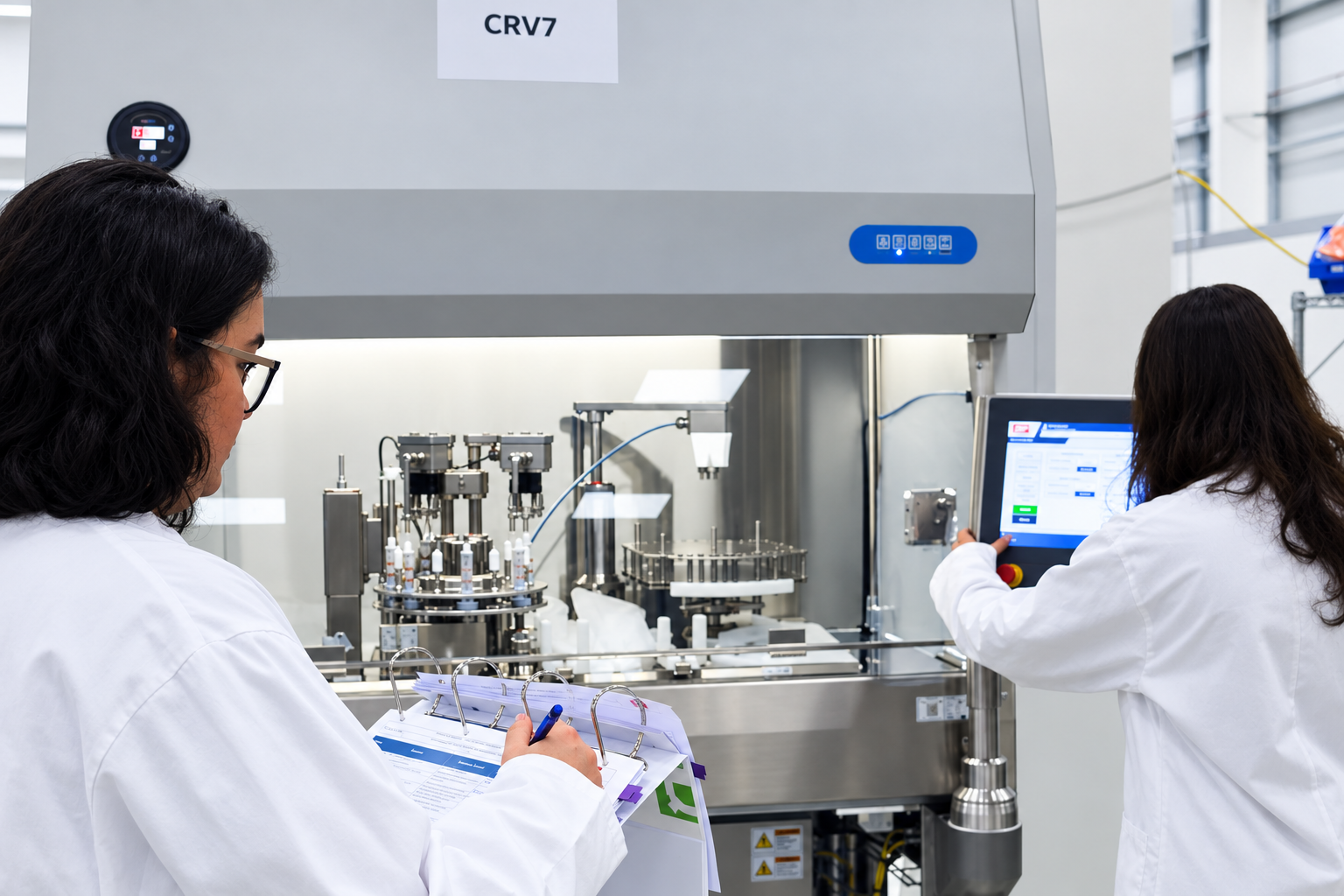
7. Cryopreservation: To maintain a stable supply of cells for future use, cultured cells are often cryopreserved (frozen) at extremely low temperatures. Cryopreservation allows for long-term storage without compromising cell viability. 3P innovation have developed a GMP cryovial filling platform ideal for safely filling cells into cryovials under strict aseptic and GMP conditions. The process must be conducted in a timely manner as a cryopreservation agent is added to the cells to avoid damage during freezing. Ironically, while cells remain at room temperatures, this agent can cause damage to the cells.

8. Transport and Administration: Finally, the manufactured cell therapies are transported to medical facilities where they are administered to patients according to treatment protocols. Strict adherence to storage and transportation conditions is crucial to maintain the cells' effectiveness.

Conclusion

Cell culture is a fundamental component of manufacturing cell therapies, allowing researchers and clinicians to produce the specialized cells needed to treat various medical conditions. The process involves several critical steps, including isolation, expansion, characterization, differentiation, and quality control, all of which are essential for ensuring the safety and efficacy of cell-based therapies. As research in this field continues to advance, the optimization of cell culture techniques is key to unlocking the full potential of cell therapies and improving the lives of patients worldwide.

The Future of Aseptic Manufacturing: Compact and Advanced Solutions

The Future of Aseptic Manufacturing: Compact and Advanced Solutions

As the pharmaceutical industry advances into more complex modalities, from biologics to cell and gene therapies, the need for flexible,...

Read More
Putting Annex 1 into Practice: What Small-Batch Manufacturers Need to Know

Putting Annex 1 into Practice: What Small-Batch Manufacturers Need to Know

In this webinar recap, David Johnson, Sales & Marketing Director at 3P innovation, and Tracy Moore, Principal Consultant at TM Pharma and former...

Read More
Advancing DPI blister filling: from the original invention to the latest technology.

Advancing DPI blister filling: from the original invention to the latest technology.

Our DPI blister filling capabilities draw on long-standing experience, our founder, Tom Bailey, is one of the named inventors of the DPI filling...

Read More