Skip to the main content.

DPI Device Assembly Line

Case Study

Assembly of a generic Ellipta® Multidose Inhaler for Market

Client: Pharmaceutical  
Sector: Inhalation - Medical Device

Our client is a pharmaceutical company and a leader in next-generation therapies, who started research into innovative treatments in the early 2000s. They are currently working towards launching a generic multidose blister strip inhaler device following patent expiry in 2030. 

Their programme focuses on replicating the proven functionality of the Ellipta inhaler platform, while introducing a novel external device form and a robust, scalable assembly strategy to support future commercial manufacture.

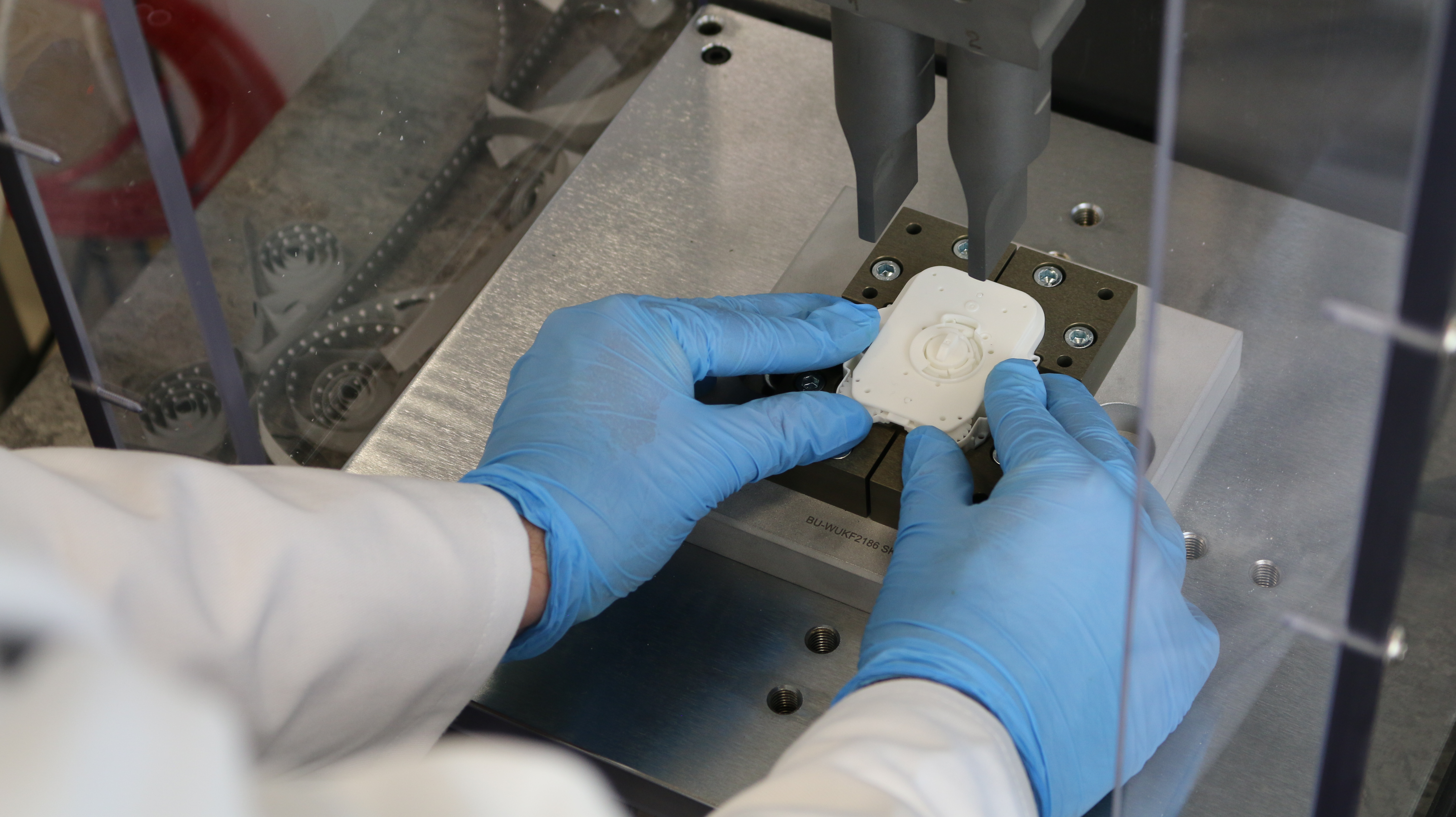
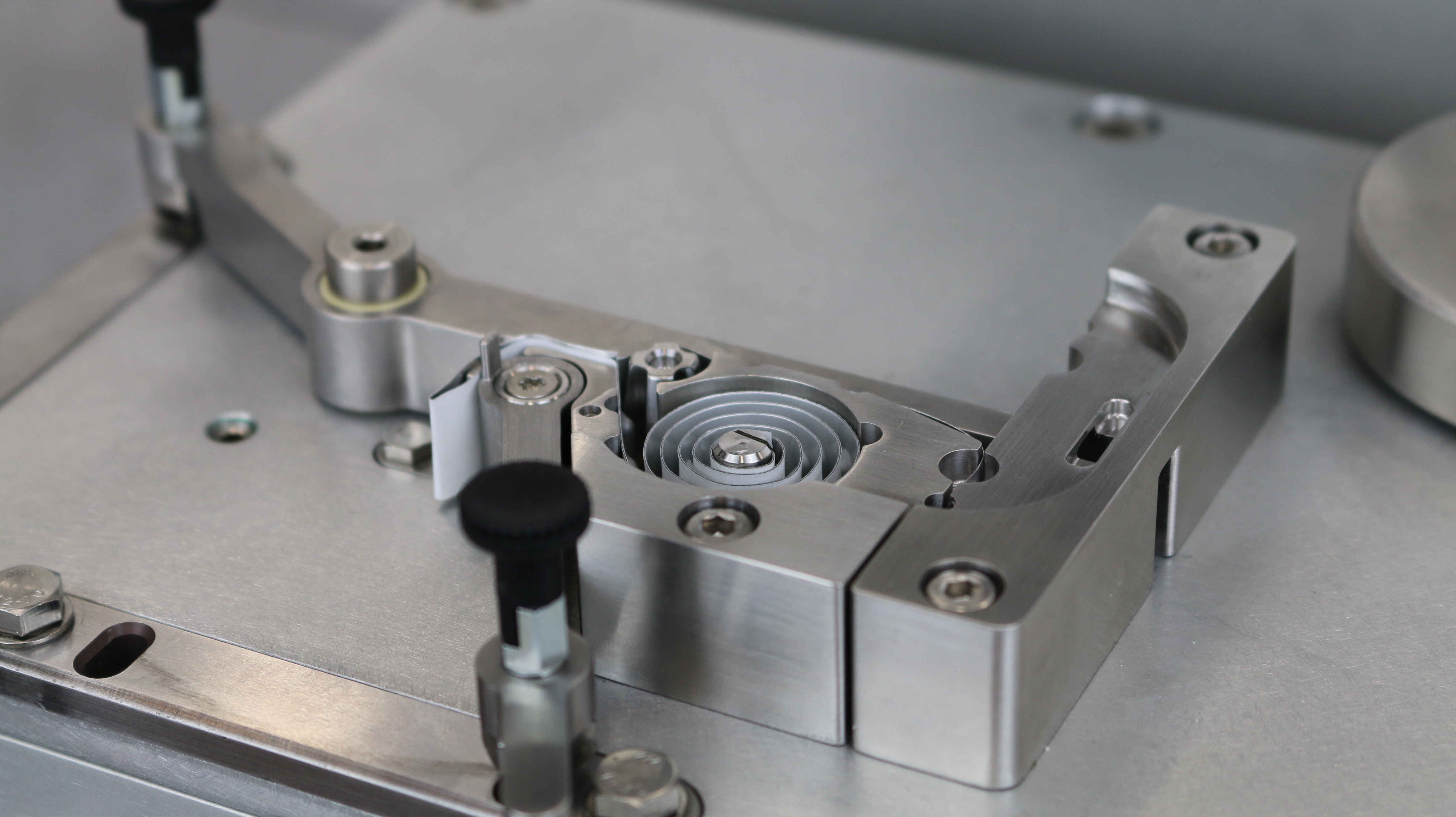
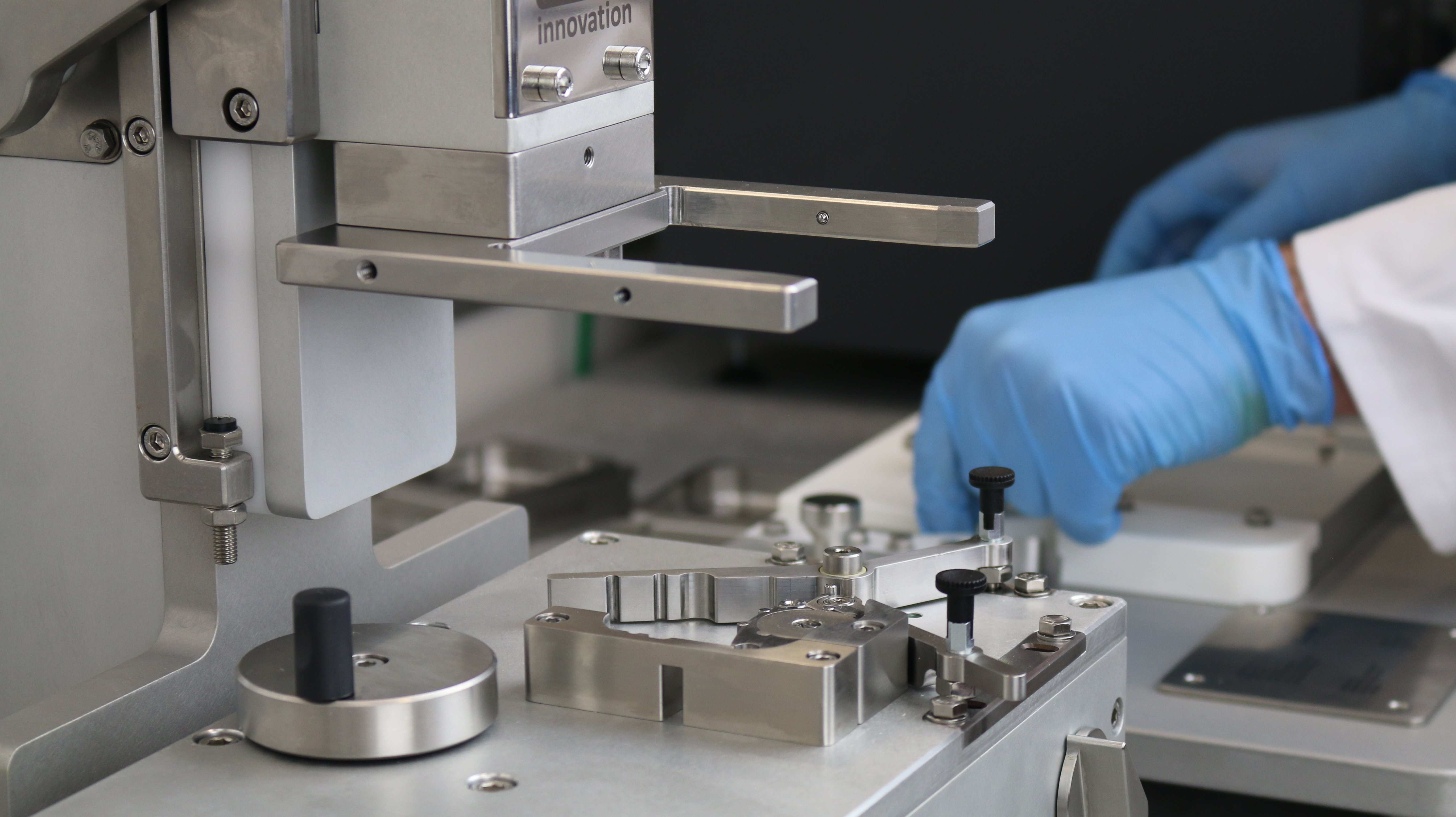
To support this we were asked to design, build, commission and deliver a suite of benchtop, manually operated assembly fixtures to the client’s site. These systems provide the foundation for clinical builds, functional testing and iterative device refinement ahead of full-scale production.

The project

As device development progressed, the client required a flexible and low-risk method of assembling units while continuing to iterate the design. The equipment needed to:

  • Build devices for clinical trial supply
  • Support functional testing and design iteration
  • Evaluate and de-risk assembly processes ahead of commercial line development

Rather than a single machine, we broke the complete assembly process down into defined stages and developed eight individual benchtop units, each tailored to a specific step. In addition, we  worked closely with a specialist 3rd party vendor to specify, procure and integrate four ultrasonic welding units into the benchtop equipment suite line.

In many ways, the design process mirrors the approach of a watchmaker. Just as the precise machining and careful arrangement of gears ensures a mechanical watch functions flawlessly without electronic correction, these fixtures rely on carefully engineered geometry and tolerance control to guide each component into its correct position. The result is a highly repeatable assembly process built on mechanical precision rather than operator judgment.

A structured approach to de-risking scale-up

This project was approached as an enabling step towards automation. The purpose of the fixtures extended beyond manual assembly; they were designed to generate process understanding, validate tolerances and inform the architecture of the future commercial production line. By investing in structured development equipment early, the client can progress confidently towards market entry with significantly reduced technical and operational risk.
Smart engineering

Why the client chose 3P innovation

The client required a partner capable of translating a reverse-engineered concept into a structured manufacturing strategy. Our rich experience in inhalation device assembly, precision engineering and scalable process design enabled us to deliver a cohesive suite of fixtures that supports immediate clinical objectives while laying the groundwork for commercial automation. Through collaborative engineering and a clear focus on future scale-up, this project has positioned the client strongly for successful market entry in 2030 and beyond.

If you are developing a next-generation inhaler or combination product and want to de-risk your path to commercial manufacture, speak to our team about how we can support your journey.