Skip to the main content.

DPI Blister Filler: Development

Our solution for development-scale DPI blister filling. 

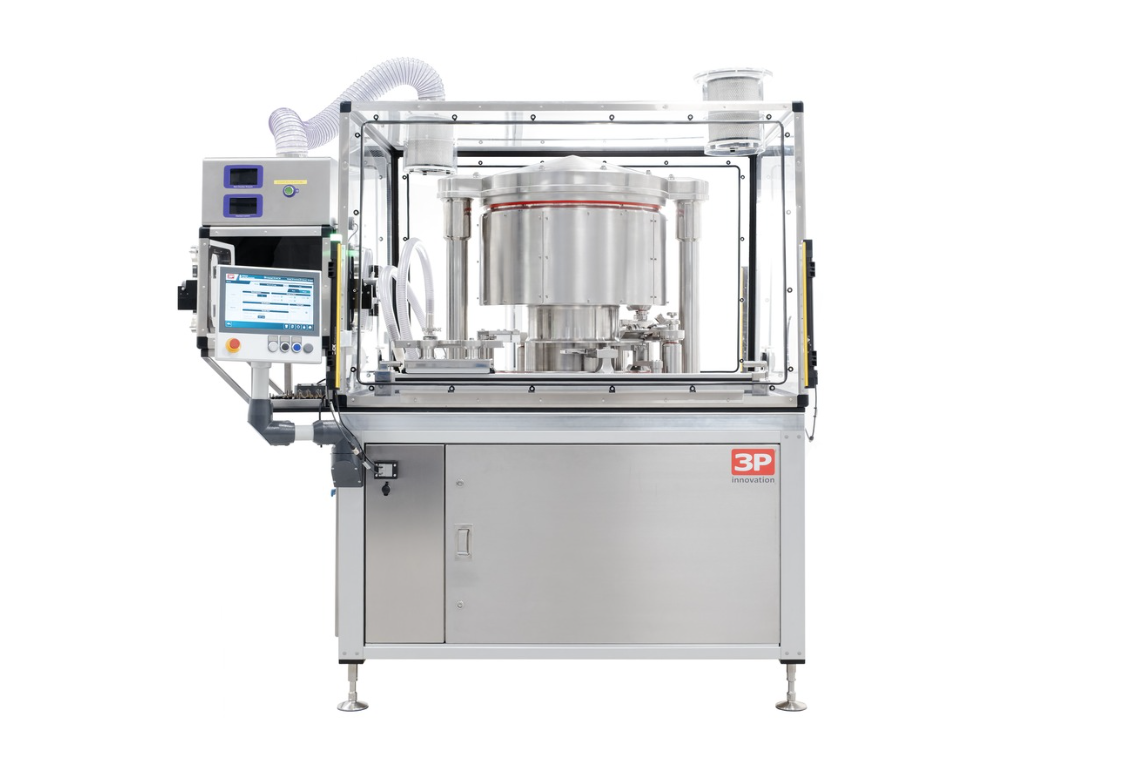
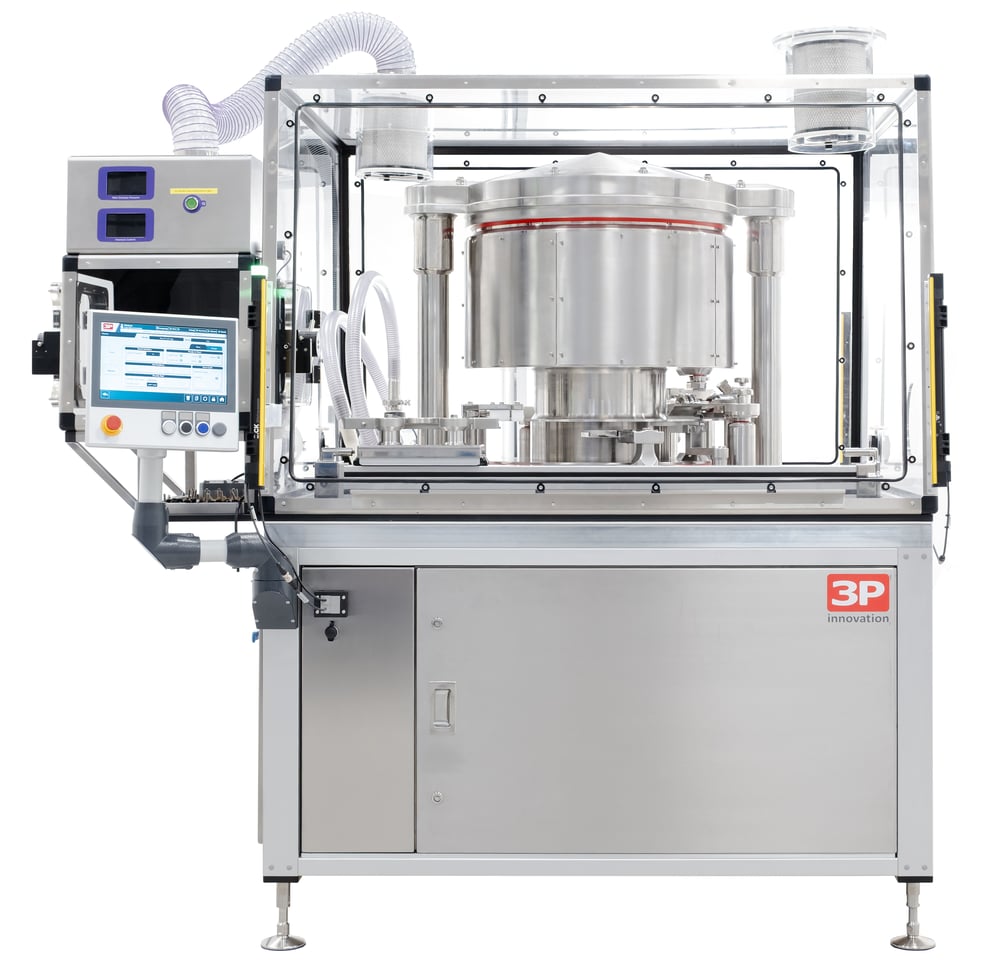
Achieve accurate, clean powder dosing with our DPI Blister Filler, designed for R&D and clinical-stage pharmaceutical manufacturing.

Built for teams developing dry powder inhalers (DPIs), this benchtop system delivers consistent dose accuracy and de-risks your clinical process.

The fundamental process has been designed with scalability in mind and is scalable from lab-scale all the way to high-speed commercial production.

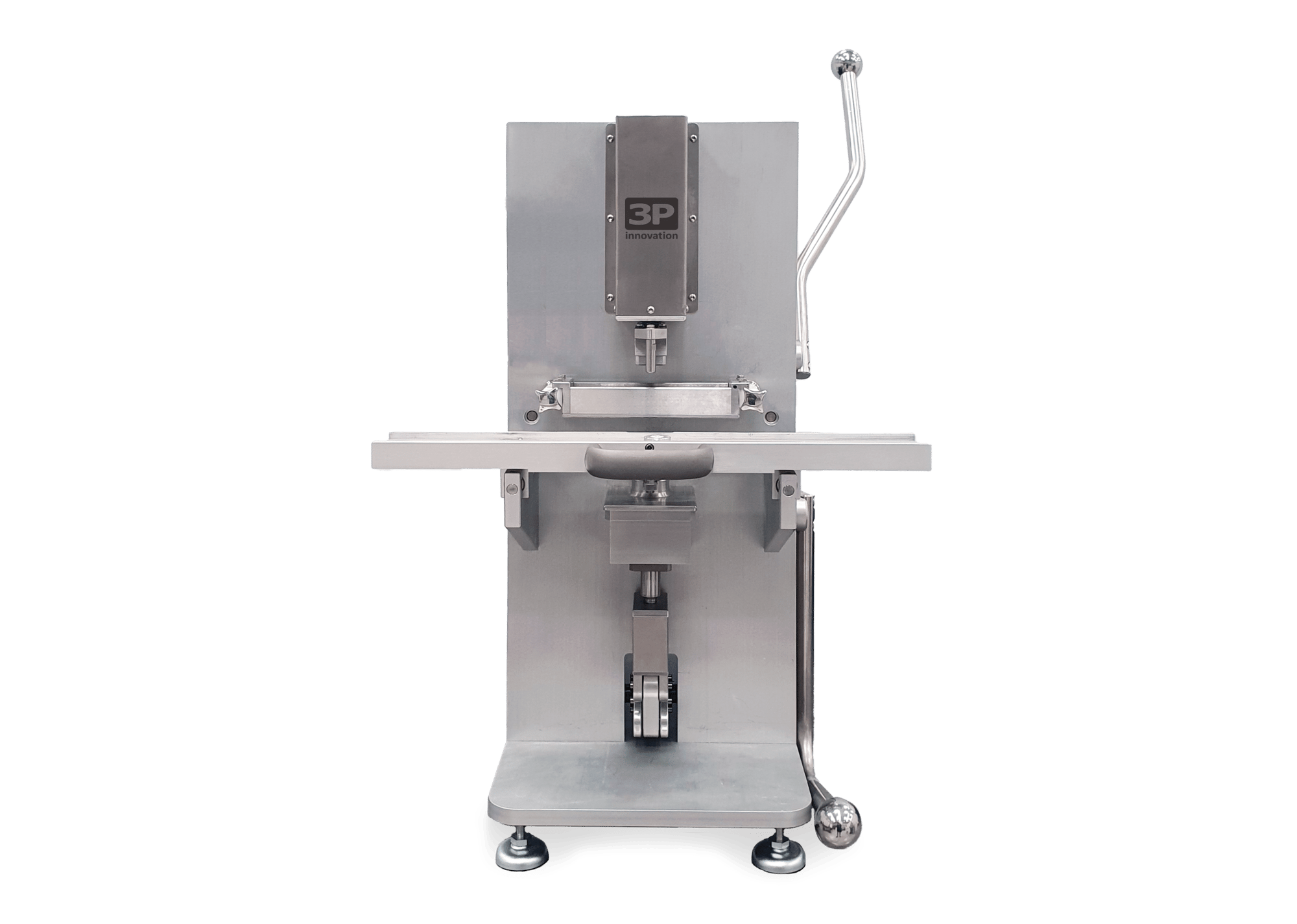
DPI Cutout

 Ideal for 

  • Dry powder inhaler (DPI) filling

  • Pharmaceutical teams working with magnesium stearate-based formulations.

  • Clinical trial material production

  • Biotech companies developing inhalation therapies

  • CDMOs requiring scalable blister filling technology

Core benefits of the system

Improve dose uniformity

Optimised pellet compression enhances aerosolisation, maximising the emitted dose and ensuring reliable product delivery. 

Maintain cleanliness
A clean filling and ejection process prevents contamination of the blister web, avoiding downstream sealing and quality issues. Ideal for CDMOs seeking to fill blister strips while maintaining compliance.

Compact and easy to integrate

Ultra-compact benchtop design fits easily into lab environments while supporting future scale-up.

Compliance

Gain confidence that your process can produce products which comply with the device CQAs (Critical quality attributes).

Core technology: The rotary turret

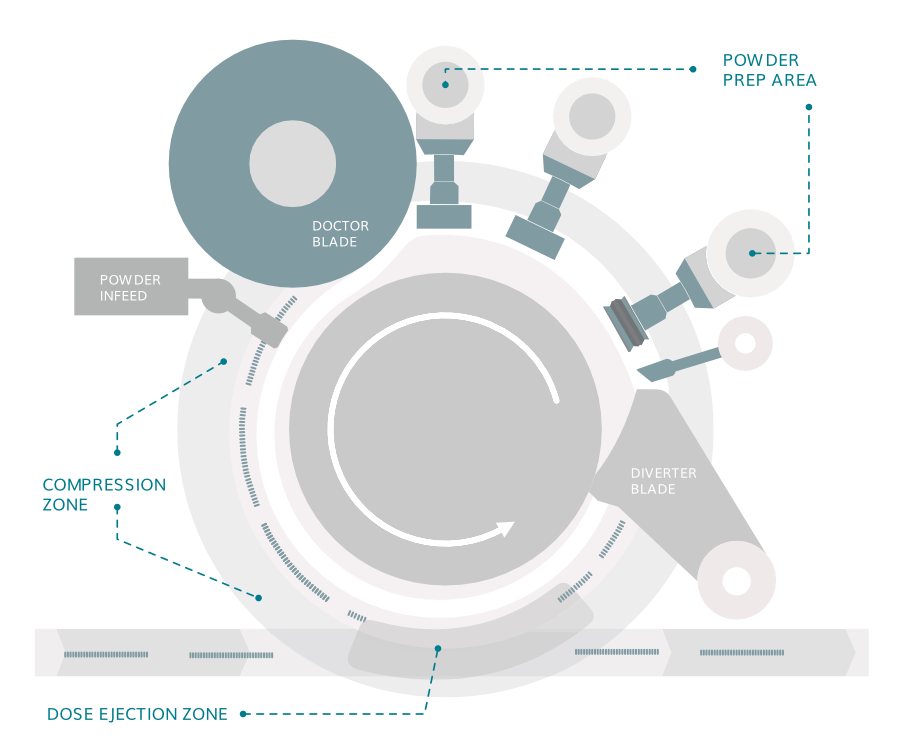
Our rotary turret uses proven compression principles. It progressively compresses powder into small pockets on a continuously rotating disk using a combination of rotors and pins. The resultant doses are then transferred to blister strip as it passes underneath the disk.

The doses are only very lightly compressed and break up shortly after transfer and during the sealing process.


How does it work? 

rotary turret


Powder prep

Formulated powder is evenly distributed across the dosing surface.


Controlled compression
A dual-pin system gently compacts the powder into a consistent pellet.


Blister positioning
The blister strip is accurately aligned beneath the dosing mechanism.


Filling (ejection zone)
The compressed dose is transferred directly into the blister pocket.


Sealing
Cleanly filled blisters move forward for sealing and further processing.

Scalable for total life-cycle support

Our fundamental process has been designed with scalability in mind; each system shares the same filling core technology and is scalable from lab to high-speed commercial production. This ensures that performance characteristics observed during early development can be directly replicated at larger scales, eliminating uncertainty often associated with scale-up.


FAQs

How does our rotary turret dosing mechanism work?
Formulated powder is distributed evenly across a dosing surface, where a dual-pin compression system gently compacts it into consistent, frangible pellets. These are then accurately ejected into preformed blister cavities as the blister web passes beneath the rotating disk.

Why are doses only lightly compressed?
Light compression allows the powder pellets to disperse effectively during patient inhalation, while still maintaining reliable, clean transfer during the filling and sealing process.

Can development work on our system translate to commercial-scale manufacture?
Yes. Every system in our platform family shares the same core filling technology. Performance characteristics established at lab scale can be replicated at larger manufacturing scales with significantly reduced process uncertainty.

What types of powder formulations can we handle?
Our system is designed to handle challenging formulations including spray-dried powders, hollow particles and materials with difficult morphologies — precisely the kinds of engineered powders that conventional dispensing technologies struggle with.

Why is dose delivery uniformity (DDU) so important in DPI manufacturing?
DDU ensures every inhalation delivers a consistent quantity of drug from the first dose to the last. Achieving it requires tight control of powder properties like flowability, particle size and electrostatic behaviour, combined with highly precise filling methods capable of metering microgram-scale quantities reliably.

What makes our approach different from generic filling technologies?
Our rotary turret technology is built on decades of deep expertise — including the original patented powder filling system for the GSK Diskus and Ellipta inhalers. Unlike generic perforated-plate systems, it is engineered specifically around the challenges of precision inhalation dosing and scale-up.

Why does the DPI market need more advanced filling technologies now?
Upcoming patent expirations on major inhaled therapies are drawing more generic manufacturers and CDMOs into the market. In this competitive environment, the ability to scale quickly, maintain dose uniformity and achieve reliable commercial manufacture without costly validation delays is becoming a critical differentiator.

What role does our background play in the reliability of our equipment?
Our technology is rooted in a long history of pharmaceutical powder filling innovation. Many of our team members worked on the original Diskus patent, giving us unmatched practical knowledge of the engineering and regulatory demands of DPI manufacture.